
Why a Podcast Might Be the Highest-Leverage Content You Can Create
By Jadeverett Mayhorn Updated 5 min read Business Spiritual Growth
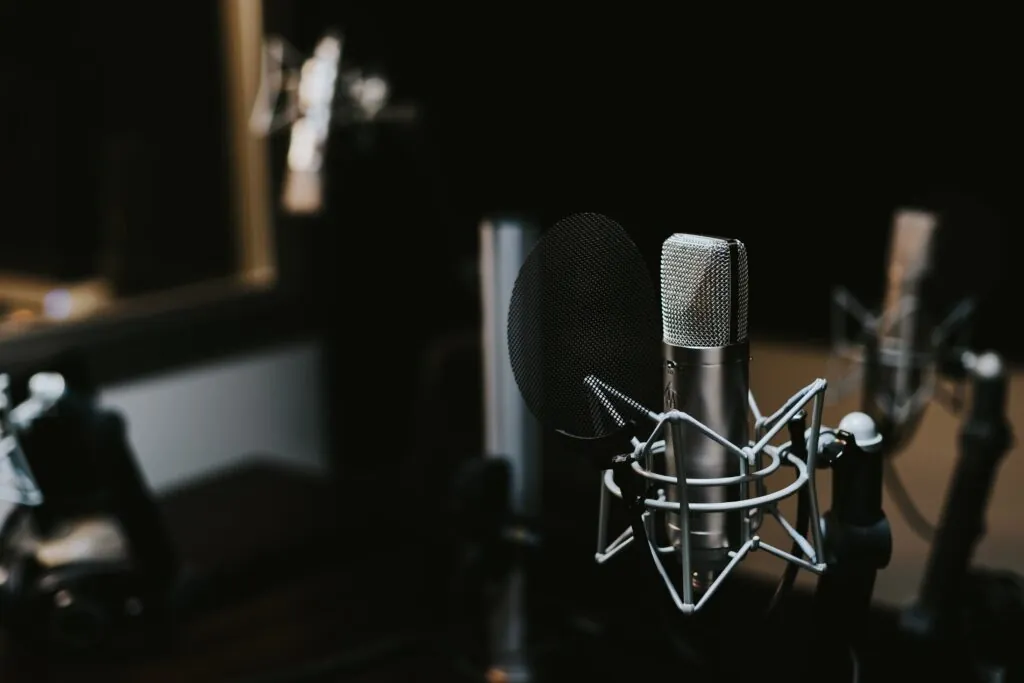
An hour of someone’s genuine, undivided attention, the kind a podcast episode asks for during a commute or a workout, builds a different quality of trust than a fifteen-second scroll ever will. That’s the real case for podcasting, not reach, depth.
A podcast audience is small compared to what a viral social post can theoretically reach in a single day. What it lacks in raw numbers, it makes up for in the depth of the relationship it builds, one episode at a time, with people who chose to spend a genuinely significant chunk of their day listening to you specifically.
Depth Over Reach
A podcast listener has made a meaningfully bigger commitment than someone scrolling past a post, choosing to give you their attention during a commute, a workout, a chore, moments most people guard fairly carefully. That commitment tends to translate into a more loyal, higher-converting audience over time than a much larger, more passive following built on shorter, lower-commitment content.
This is worth remembering when podcast download numbers look small next to social media follower counts. The two metrics aren’t measuring the same thing, and comparing them directly undersells what a modest, engaged podcast audience is actually worth to a business built on trust.
One Conversation, Months of Content
A single well-run episode can be cut into clips for social media, quoted in written content, transcribed into blog posts, and referenced in email sequences for months afterward, making podcasting one of the most efficient content formats available once the repurposing system exists to actually capture that value.
Most creators who feel like content creation is exhausting are creating each piece of content separately, from scratch, rather than recording once and extracting many pieces from that single recording. The podcast format is particularly well suited to this kind of leverage, because a single hour-long conversation naturally contains dozens of extractable, standalone moments.
It Builds Real Authority, Not Just Visibility
Being heard thinking out loud, answering real questions in real time, engaging genuinely with a guest or a caller, builds a kind of credibility that polished, edited, single-take content can’t fully replicate. Listeners can tell the difference between someone who’s rehearsed a talking point and someone who actually knows the material well enough to discuss it unscripted.
This authority compounds over episodes in a way that’s hard to manufacture through any other format. A hundred episodes of genuine, unscripted expertise is a considerably harder thing to fake or shortcut than a hundred polished posts.
Getting Started Without Overbuilding It
The barrier to starting a podcast is lower than most people assume, a decent microphone and a genuine point of view are enough to begin, and the production quality can improve gradually as the show finds its actual audience and its actual voice. Waiting for a perfect studio setup before starting is one of the more common reasons a genuinely good podcast idea never actually launches.
Consistency matters considerably more than production polish in the early stage. An audience forgives rough audio far more readily than it forgives an irregular, unpredictable release schedule.
Turning Listeners Into Something More
A podcast on its own is a relationship-building tool, not usually a direct sales channel. The conversion tends to happen through what the podcast points toward, a lead magnet, an email list, a specific offer mentioned consistently enough that engaged listeners know exactly where to go when they’re ready for more.
Without that clear next step built in, even a genuinely popular podcast can fail to translate its trust into an actual business outcome, which is why the podcast needs to exist inside a larger system rather than as an isolated content project.
A podcast isn’t a numbers play. It’s a trust play, and trust is what actually converts a stranger into a client.
Choosing a Format That Fits Your Actual Strengths
Not every good podcast follows the same format. A solo, teaching-style show suits someone with a clear framework and the discipline to structure an episode without a conversation partner to bounce off of. An interview-style show suits someone who’s a strong listener and can draw out a guest’s best material. Choosing a format that fights against your natural strengths is one of the more common reasons a podcast feels exhausting to sustain past the first several episodes.
There’s no universally correct format. There’s only the format that lets you show up consistently without the production itself becoming the reason the show quietly stops.
What Consistency Actually Buys You
An audience builds trust in a show through predictability as much as through content quality, knowing a new episode will actually arrive on the schedule it promised. A brilliant podcast released erratically builds less trust over a year than a good, consistent podcast released reliably every single week, because the reliability itself becomes part of what the audience is buying into.
This is why choosing a sustainable format and cadence from the outset matters more than choosing the most ambitious one. A show you can actually sustain for two years outperforms an ambitious show that burns out its creator in three months, virtually every time.
What Guests Actually Add Beyond Their Audience
The obvious reason to book guests is access to their audience, a portion of their following discovers your show through the episode and some fraction sticks around. That’s real, but it’s not the main benefit for most shows in their first year, when a guest’s audience is often smaller than the host assumes. The bigger benefit is what a good guest conversation does to the quality of the episode itself, pulling out angles and tensions a solo episode never would have surfaced, because a genuine back-and-forth produces insight neither person would have reached talking alone.
This reframes guest selection. Choosing guests purely by follower count optimizes for the wrong variable. Choosing guests who will actually disagree with you productively, or who know something you genuinely don’t, produces the kind of episode people remember and share regardless of whose audience it originally reached.
The Honest Timeline for Traction
Podcast growth is slower and less visible than most other content formats in the early months, there’s no algorithm pushing a new show into unfamiliar feeds the way social platforms sometimes do, and discovery happens mostly through word of mouth and search over a much longer horizon. Expecting podcast growth to mirror the early trajectory of a viral social post sets up a discouragement that has nothing to do with whether the show is actually good.
Most shows that eventually build a meaningful audience were, by any reasonable measure, quiet for their first twenty or thirty episodes. Treating that early period as expected rather than as a warning sign is often the difference between a show that eventually breaks through and one abandoned right before it would have.
Repurposing your content and turning it into real lead magnets is exactly what Flow is built to help manage.
Continue the Work
ASCEND
Curious what this looks like inside a real business? ASCEND turns this kind of thinking into a growth system.
Explore ASCEND →