
From Engineer to Crypto Enthusiast: What Blockchain Taught Me About Trust
By Jadeverett MayhornUpdated 3 min readCrypto & AI
The first time I understood how a blockchain actually worked, I wasn't thinking about money. I was thinking about trust, and how rarely we get to verify it instead of just hoping for it, which is closer to how I'd already been trained to think as an engineer.
Before DivineX, I built systems as a chemical engineer at Texas Instruments, processes where every input, every reaction, every output had to be accounted for with real rigor. When I started digging into how blockchain technology actually functions, not the price charts everyone else was fixated on, but the underlying architecture, it scratched the exact same itch that engineering had always scratched.
Why It Grabbed Me
Most financial systems ask you to trust an institution: a bank, a broker, a government agency. That trust is usually earned honestly over time, but it's still trust in a black box you can't personally audit yourself. What pulled me into blockchain wasn't the speculation everyone around me seemed excited about, it was the idea that a ledger could be public, permanent, and verifiable by design, removing the need to simply take someone's word for it on faith.
That idea sat next to the spiritual work I was doing at the same time in a way that genuinely surprised me. Both were, at their core, about removing unnecessary intermediaries between you and the truth, whether that truth was about your own finances or your own inner life.
The Lesson That Actually Mattered
I made mistakes early on, chasing hype instead of understanding, treating a genuinely complex technology like a lottery ticket rather than something worth actually studying. The lesson that stuck wasn't about any specific coin or market cycle. It was this: technology that removes the need for blind trust is only as good as the discipline of the person using it. Blockchain doesn't protect you from your own impatience. Nothing does, no matter how elegant the underlying architecture.
The technology can remove the middleman. It can't remove the need for your own patience, research, and self-honesty. That part is still entirely on you.
That's the same lesson DivineX is built around in a completely different context: real tools only create real change when they're paired with real discipline. A growth system won't fix a business that won't do the work. A verifiable ledger won't protect an investor who won't do the research before acting.
What Carried Forward Into DivineX
The engineering discipline that first drew me to blockchain, refusing to accept an unverified claim, insisting on understanding the actual mechanism rather than the marketing narrative around it, is the same discipline underlying how DivineX approaches business growth. Real diagnosis before real action, verified results over comforting assumptions, in both domains.
What I'd Tell Someone Just Getting Interested Now
Start with understanding the actual mechanism before forming any opinion about price or investment. Most people form their entire view of this space from headlines about volatility, without ever having examined what the underlying technology actually does or doesn't solve. That's backwards, and it leads to decisions made on hype rather than genuine understanding.
The engineering instinct, understand the system before you trust it, applies here as directly as it applies to any other domain, and it would have saved me real money and real frustration if I'd applied it more consistently in my own early years exploring this space.
The Discipline That Outlasted the Market Cycles
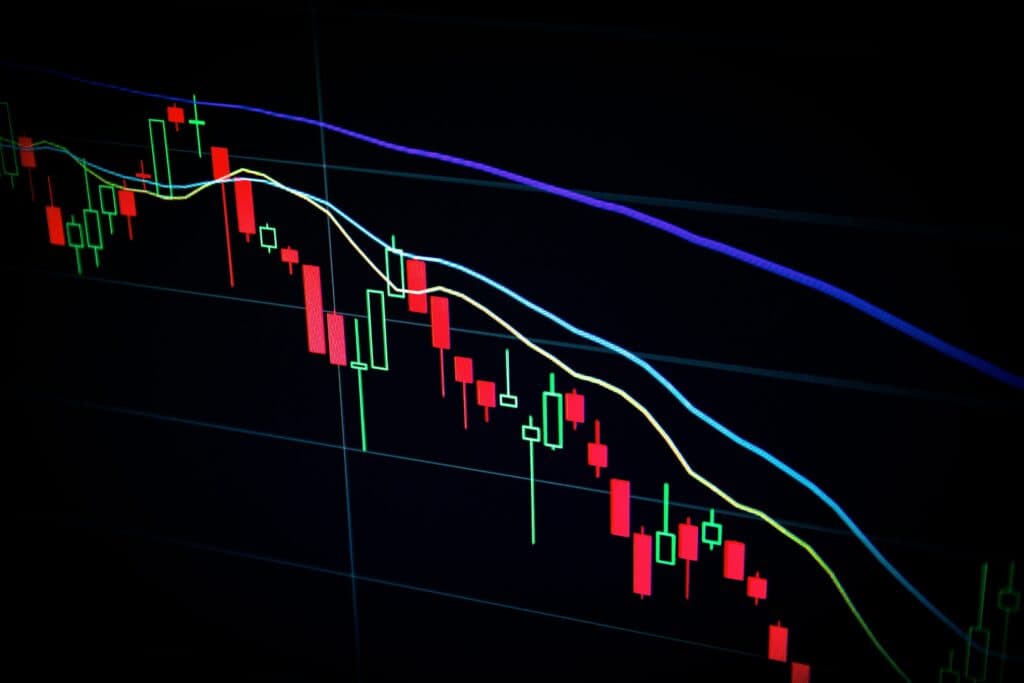
Markets in this space have gone through dramatic booms and equally dramatic corrections since I first got interested, and the specific price movements that felt so urgent at the time are, in retrospect, far less important than the discipline I eventually developed around research and patience. That discipline transferred directly into how I approach every other decision now, financial or otherwise.
If there's one thing worth taking from this account, it's that the specific technology or market you're excited about matters less than whether you're bringing real discipline to how you engage with it, a lesson that applies just as directly outside of crypto as it did inside it.
That discipline is available to anyone, regardless of technical background, willing to slow down and actually understand a system before forming an opinion about it.
It's simply a matter of choosing to slow down before the decision instead of only reflecting on it afterward.
If crypto and blockchain genuinely interest you, beyond the hype cycles, our book Crypto for All breaks the technology down in plain language, no jargon, no assumption that you already speak the language.
Continue the Work
ASCEND
DivineX builds the intelligence and systems behind ideas like this, see how ASCEND applies it.
Explore ASCEND →